The first thing a Las Vegas sportsbook sells is a place in the story. A visitor walks into a room full of screens, hears the reaction to a late score and finds a seat among strangers who suddenly have something to discuss. The wager may be small. The occasion can fill an entire weekend.

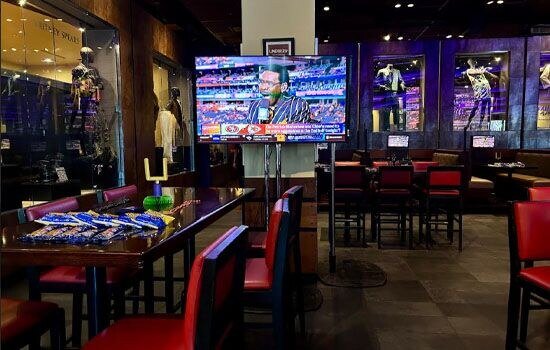
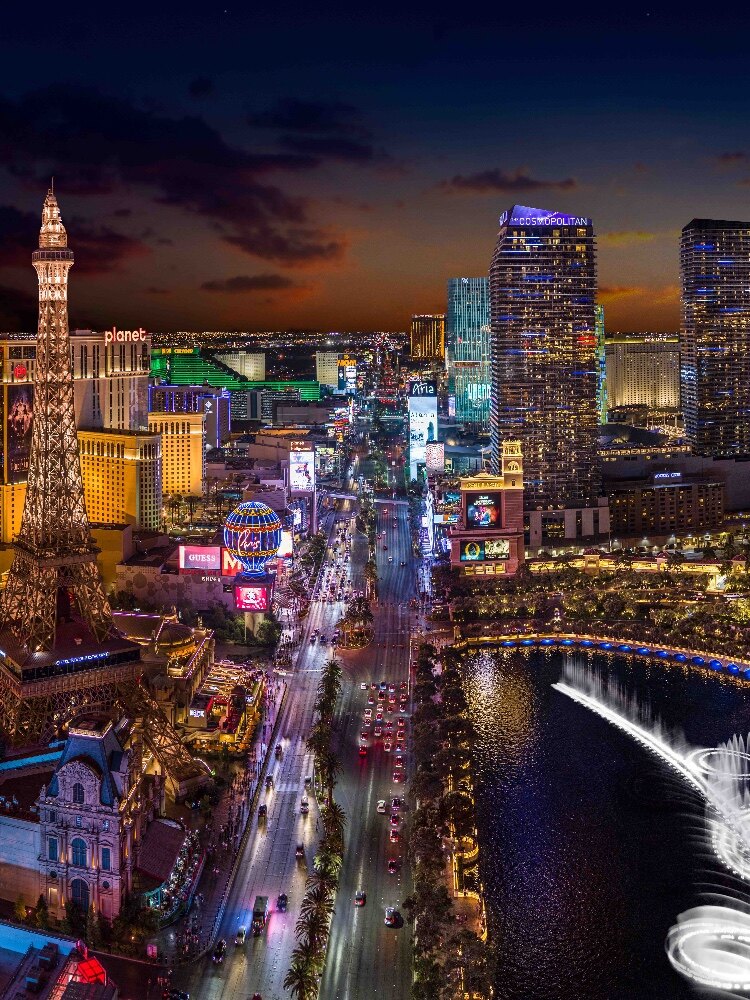
Images: AI-generated illustrations.
That experience now sits beside a very different image: one person looking at prices on a phone. Sportsbook apps made the betting window portable. Prediction markets have pushed a further question into the conversation: when a sports result is packaged as a financial contract, what changes, and what remains a wager?
For Las Vegas, the answer matters beyond a single app. It touches regulation, visitor expectations and the reason people still travel to a city when they can follow the same game from home. Understanding the shift begins by separating the room, the product and the rules.
A city built around a regulated gambling experience
Nevada legalized gambling in 1931. Its oversight developed over the following decades, including creation of the Gaming Control Board in 1955 and the Gaming Commission in 1959. That history matters because the modern visitor experience rests on more than a casino’s brand. Licensing, supervision and enforcement are part of the structure behind the room.
A visitor rarely sees that machinery directly. They see a counter, a ticket and a payout procedure. Yet those ordinary details are where trust becomes practical. Who accepted the wager? Which rules control the result? Who can address a dispute? The questions remain relevant whether the transaction takes place across a counter or through a screen.
The betting window made the transaction visible
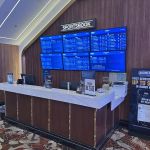
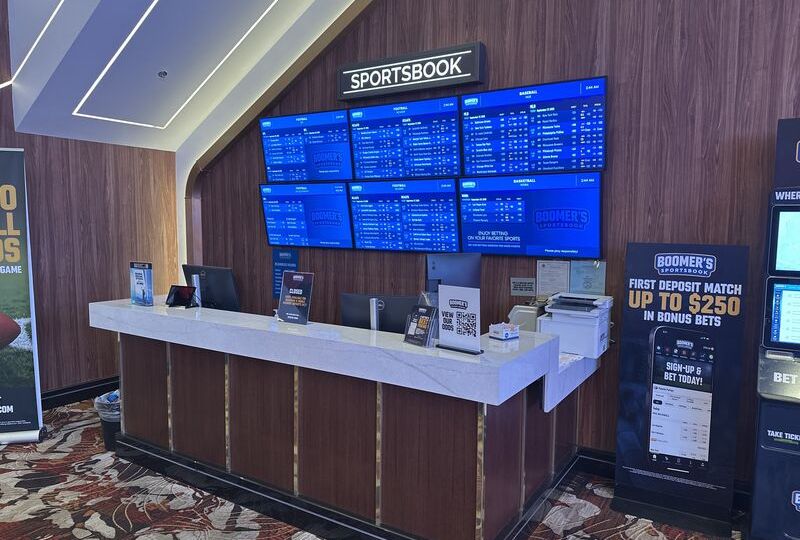
A physical window gives a wager a sequence. Read the board, decide what to request, speak to a clerk, check the ticket and keep it until settlement. There is friction in the process, but friction can make the terms easier to notice.
The ticket separates a fan’s expectation from the actual transaction. A person may think they backed a team in one way while the printed ticket records something else. Reviewing the wager before leaving the counter is therefore part of the experience, not a formality.
There is also a social dimension that does not appear in an odds comparison. People watch together, react together and remember where they were when a game turned. The room gives the transaction a setting. That is one reason a sportsbook can remain a destination even when the visitor is carrying a phone capable of showing the score.
The casino sportsbook became part of a larger day
Las Vegas can connect a game to a restaurant reservation, a show, a hotel stay and a night out. The sports audience is therefore larger than the group placing wagers. Some visitors are there for the screens. Some want a comfortable meeting point. Others are accompanying a fan.
That mix creates a useful distinction: choosing a place to watch and choosing where to bet are separate decisions. The room with the best sightlines may have a reservation cost. A convenient account does not guarantee a seat. A restaurant showing football is not necessarily a licensed sportsbook.
For an organizer, the practical questions are often about sound, seating, food and the length of a reservation. For a bettor, the questions include market rules, price and settlement. A good trip accounts for both sets without expecting every guest to share the same interest.
2018 changed the national context
On May 14, 2018, the Supreme Court’s Murphy decision invalidated the federal PASPA framework that constrained state authorization of sports wagering. It opened the way for states to make their own policy choices; it did not create a single nationwide sportsbook license.
For visitors, that distinction explains why a familiar brand can behave differently across state lines. A name on the phone is not a substitute for checking the rules of the location where the wager would be placed. Nevada remains its own jurisdiction.
The change also sharpened a question for Las Vegas: what part of the visit remains special when the underlying activity becomes available elsewhere? Our view is that the answer lies in the complete occasion. The city can put live sport, a destination sportsbook, dining and entertainment into the same stay. Convenience alone is a difficult reason to board a plane. A shared experience is a stronger one.
Mobile wagering separated the account from the chair
The phone changes the relationship between the customer and the room. A visitor can be seated in one place while checking an account, a price or a result on a personal device. That creates convenience, but it can also blur assumptions about which operator is accepting the wager.
The useful habit is to identify the actual platform, account jurisdiction and rules before funding it. Check registration, deposits, withdrawal methods and location requirements. Do not wait until a game begins to find out that an account used at home cannot be used in the same way during a Nevada visit.
Mobile access also removes some of the pauses built into a walk to the betting window. The next transaction may be available immediately. For a visitor trying to enjoy a weekend, deciding when to put the phone away can be as useful as deciding which room to visit.
Prediction markets introduced a different transaction model
Event contracts link a payoff to a defined outcome. A common structure uses yes or no positions with a fixed settlement value. The amount paid for the position, the final settlement and transaction costs determine the result. Contract language and available liquidity matter alongside the headline price.
That is a different presentation from a conventional sportsbook ticket. It does not follow that the underlying exposure is harmless, or that an appealing price makes the prediction reliable. A participant can be wrong about the event, misunderstand the settlement rule or pay more in costs than expected.
For readers comparing the products, the right starting point is the contract. What exactly must happen? Who determines whether it happened? When does trading stop? What happens if the event is postponed or disputed? A familiar sports question can conceal an unfamiliar set of transaction rules.
Nevada and federal regulators are not telling the same story
The CFTC describes registered prediction markets within the federal derivatives framework. Nevada regulators maintain that sports event contracts constitute wagering subject to Nevada gaming law. Those positions have produced enforcement actions and litigation. They should be presented as a jurisdictional dispute, rather than blended into a claim that every sports market is simply another Nevada sportsbook.
Nevada’s Attorney General reported an August 28, 2026 Ninth Circuit ruling supporting application of Nevada gaming laws to sports event contracts. The Gaming Control Board’s public records also document restrictions and enforcement involving prediction market providers. Information checked October 28, 2026.
For someone visiting Las Vegas, the practical conclusion is narrower than the national debate: do not assume federal registration or availability in another state establishes permission to access a particular sports contract while physically in Nevada. Check current regulator notices, court developments and the provider’s actual restrictions. Follow location restrictions and use only services permitted where you are.
The future is more than a new way to display odds
It is tempting to describe the future as a contest between a casino counter and an exchange screen. That leaves out the visitor. A person may care about competitive prices, but also about where friends will meet, whether everyone can see the game and what happens after it ends.
Las Vegas has an opportunity to make those parts work together more clearly. A venue can explain its seating terms. A sportsbook can make its account requirements understandable. A tourism guide can distinguish a dining reservation from a wagering product. None of those improvements requires pretending the regulatory questions have been settled.
Technology may change distribution faster than it changes what people want from a trip. Fans still need a place to gather and an itinerary that fits the group. The city’s advantage is the ability to make a game part of a larger occasion, with choices for the people who want to wager and the people who do not.
Build the visit around the game, then decide about wagering
Start with the viewing experience and the people coming with you. Our Las Vegas sportsbook guide helps frame the venue decision. The Las Vegas Gambling Guide separates casino play, poker, sportsbooks and sports markets for readers who want a broader introduction.
A gathering at Hard Rock Cafe Las Vegas, a group meal at Carmine’s Italian Restaurant or a scheduled ride with Earth Limos can be part of the weekend without implying that any of those businesses accepts wagers or endorses a prediction market. Choose dining and transportation to fit the group, then confirm wagering options separately.
The betting window, the mobile account and the event contract each deserve to be understood on their own terms. The best visitor experience begins when the rules are clear enough that the group can return its attention to the game.
Further reading
Historical foundation: Nevada State Library and Archives. National legal turning point: Supreme Court opinion in Murphy v. NCAA. Market structure: CFTC prediction market explainer. Nevada position and developments: Gaming Control Board public statements and Nevada Attorney General, August 28, 2026. The future remains uncertain, and rules can change.
Nevada casino gambling and sportsbook wagering are for adults age 21 and older. Treat money risked as an entertainment expense, set time and spending limits and avoid chasing losses.